
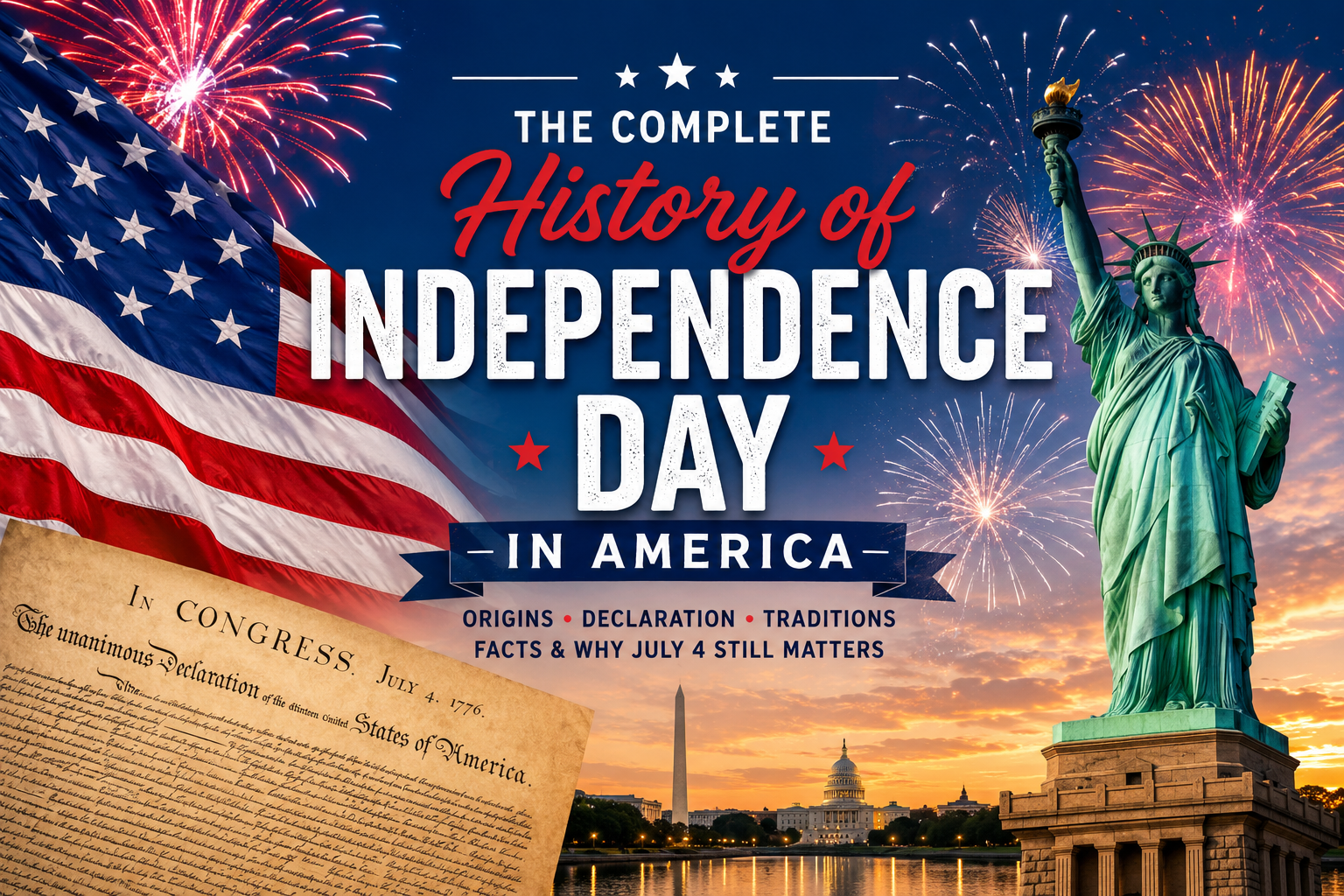
History of Independence Day in America: Everything You Need to Know
Introduction
Every year on July 4, millions of Americans gather with family and friends to celebrate Independence Day, one of the most significant national holidays in the United States. Fireworks illuminate the night sky, patriotic parades march through towns and cities, flags wave proudly from homes and public buildings, and communities come together to honor the nation’s founding. While these traditions are widely recognized, many people know only part of the story behind the holiday. The true history of Independence Day is a fascinating journey of political courage, revolutionary ideas, and the pursuit of liberty that forever changed the course of world history.
Independence Day marks the birth of the United States as an independent nation. It commemorates the adoption of the Declaration of Independence in 1776, a historic document that announced the American colonies’ decision to separate from British rule. More than just a political statement, the Declaration introduced ideas about equality, natural rights, and self-government that continue to influence democracies around the world.
The story behind the Fourth of July extends far beyond a single document or a single day. It includes years of growing tension between Great Britain and the American colonies, the sacrifices of soldiers and civilians during the Revolutionary War, and the determination of ordinary people who believed they deserved the right to govern themselves. Understanding this history provides a deeper appreciation of why Independence Day remains such an important celebration nearly two and a half centuries later.
This comprehensive guide explores the origins of Independence Day, the events leading to the American Revolution, the creation of the Declaration of Independence, the evolution of Fourth of July traditions, and the lasting impact of the holiday on American culture and identity.
The American Colonies Before Independence
To understand why Independence Day is celebrated, it is important to examine life in the thirteen American colonies before 1776. During the eighteenth century, these colonies were part of the British Empire and were governed by the British Crown. Although the colonies enjoyed a degree of local self-government, ultimate authority rested with the British Parliament and the king.
For many years, this relationship benefited both sides. The colonies grew economically through agriculture, trade, fishing, and manufacturing, while Britain gained valuable resources and expanded its influence across North America. However, following the costly French and Indian War, the British government sought new ways to recover its financial losses. This decision would eventually become one of the primary causes of colonial unrest.
The British Parliament introduced several taxes that directly affected the colonies, including duties on printed materials, imported goods, tea, and other everyday products. Many colonists objected because they had no elected representatives in Parliament. Their frustration gave rise to the famous slogan, “No taxation without representation.” The issue was not simply the taxes themselves but the belief that a government should not impose laws or taxes on people who lacked political representation.
As tensions increased, many colonists began questioning Britain’s authority over the colonies. Local meetings, newspapers, and political organizations became centers of debate where ideas about liberty, rights, and self-government spread rapidly. These discussions laid the intellectual foundation for the American Revolution.
The Road to the American Revolution
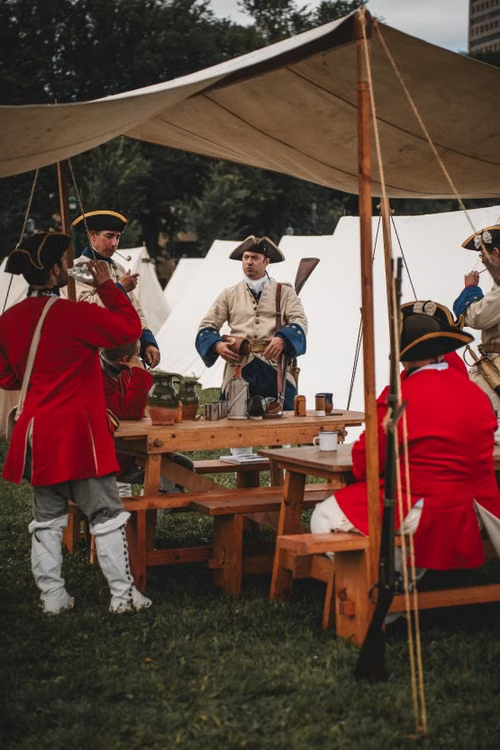
The movement toward independence did not happen overnight. Instead, it developed over many years through a series of political disputes, economic disagreements, and dramatic events that gradually convinced many colonists that reconciliation with Britain was becoming impossible.
One of the earliest turning points came with widespread protests against British taxation. Merchants organized boycotts of British goods, ordinary citizens participated in demonstrations, and colonial leaders increasingly challenged Parliament’s authority. While many colonists initially hoped to remain loyal subjects of the British Crown, repeated conflicts weakened trust between Britain and the colonies.
The Boston Massacre in 1770 intensified anti-British sentiment after a confrontation between British soldiers and colonists resulted in several deaths. Although both sides offered different interpretations of the event, it became powerful propaganda for those advocating greater colonial resistance.
A few years later, the Boston Tea Party became another defining moment. In response to the Tea Act, colonists boarded British ships and dumped large quantities of tea into Boston Harbor as a protest against taxation and British policies. The British government responded with punitive measures that further united many colonists against imperial rule.
These events convinced increasing numbers of Americans that peaceful compromise might no longer be possible. Political leaders began discussing the possibility of complete independence rather than simply seeking reforms within the British Empire.
The First Continental Congress
As tensions escalated, representatives from twelve of the thirteen colonies gathered in Philadelphia in 1774 to discuss a unified response to British policies. This meeting became known as the First Continental Congress and marked an important milestone in American political cooperation.
The delegates debated strategies for protecting colonial rights while still hoping to avoid armed conflict. They agreed to coordinate economic boycotts against British goods and urged the colonies to prepare for potential military action if necessary. Although they had not yet declared independence, the Congress demonstrated that the colonies could work together despite their regional differences.
The First Continental Congress also strengthened communication among colonial leaders, allowing ideas about liberty and self-government to spread more effectively throughout North America. Many of the relationships formed during this gathering would later prove essential during the Revolutionary War.
The Outbreak of the Revolutionary War
By 1775, tensions had reached a breaking point. Armed confrontations between colonial militia and British troops at Lexington and Concord marked the beginning of the American Revolutionary War. These battles demonstrated that the conflict had moved beyond political disagreement into open warfare.
Although many colonists still hoped for reconciliation during the early months of fighting, the violence convinced others that independence was becoming the only realistic solution. As the war expanded, support for complete separation from Britain continued growing.
The Second Continental Congress, which met in 1775, assumed responsibility for coordinating the colonial war effort. It appointed George Washington as commander of the Continental Army, recognizing his leadership experience and ability to unite soldiers from different colonies.
Washington faced enormous challenges. His army often lacked adequate supplies, training, weapons, and financial support. Despite these difficulties, the Continental Army gradually developed into an effective fighting force capable of resisting one of the world’s most powerful military empires.
Why the Declaration of Independence Was Necessary
Even after fighting had begun, many colonial leaders understood that military victory alone would not create a legitimate new nation. They needed a formal explanation that justified independence before both the American people and the international community.
The Declaration of Independence served several important purposes. It explained why the colonies believed separation from Britain was necessary, outlined the principles upon which the new nation would be founded, and encouraged foreign governments—particularly France—to consider supporting the American cause.
The document also established a philosophical foundation based on natural rights and popular sovereignty. It argued that governments derive their authority from the consent of the governed and that citizens possess the right to replace governments that fail to protect their fundamental freedoms. These ideas would become some of the most influential political principles in modern history.
Thomas Jefferson and the Drafting of the Declaration
To prepare the Declaration of Independence, the Continental Congress appointed a committee that included Thomas Jefferson, John Adams, Benjamin Franklin, Roger Sherman, and Robert R. Livingston. Thomas Jefferson was selected to write the initial draft because of his exceptional writing ability and his reputation as a thoughtful political thinker.
Jefferson drew upon Enlightenment philosophy while expressing ideas that many colonists already believed deeply. The resulting document declared that all people are created equal, possess certain unalienable rights, and have the right to establish governments that protect those rights.
After revisions and debate, Congress approved the final text on July 4, 1776, forever linking that date with the birth of the United States.
How Independence Day Became America’s Most Celebrated National Holiday
The adoption of the Declaration of Independence in 1776 marked the birth of a new nation, but the Fourth of July did not immediately become the nationwide celebration it is today. In the years following independence, Americans gradually developed traditions that transformed July 4 into one of the country’s most meaningful civic holidays. Over time, the day evolved from local commemorations into a nationwide celebration of freedom, democracy, and national identity.
During the earliest celebrations, communities gathered to publicly read the Declaration of Independence. These readings reminded citizens of the principles that inspired the nation’s founding and encouraged unity during the difficult years of the Revolutionary War. Bells rang from churches, military units fired ceremonial salutes, and public speeches celebrated the ideals of liberty and self-government. These traditions established a pattern that continues to influence Independence Day celebrations nearly 250 years later.
Early Fourth of July Celebrations
The first organized Independence Day celebrations looked very different from the modern holiday. Rather than backyard barbecues or large fireworks shows, early Americans honored the occasion with patriotic ceremonies, public gatherings, music, prayers, and speeches.
Cities and towns organized community events where local leaders discussed the significance of independence and the responsibilities of citizenship. Military parades displayed the strength of the young nation, while bands performed patriotic music to inspire unity. Public readings of the Declaration became one of the day’s most respected traditions because they reminded citizens why the colonies had chosen independence.
Many communities also illuminated public buildings with candles and lanterns after sunset. These displays symbolized hope for the nation’s future and represented the light of liberty overcoming political oppression.
Why Fireworks Became a Fourth of July Tradition
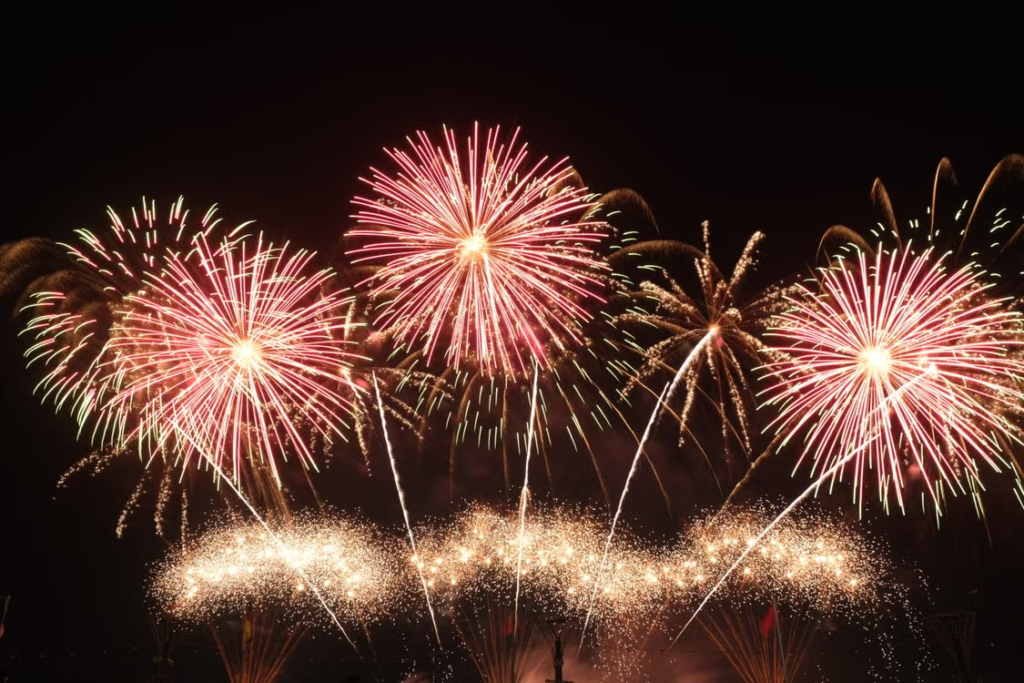
Today, fireworks are perhaps the most recognizable symbol of Independence Day. Their connection to the holiday dates back to the earliest years of the United States.
Even before independence was formally secured, many leaders believed public celebrations should include displays of light and sound. Fireworks had long been associated with important national celebrations around the world, making them a natural choice for commemorating American independence.
The first recorded Independence Day fireworks display took place in Philadelphia in 1777, only one year after the Declaration of Independence was adopted. Alongside fireworks, citizens celebrated with bonfires, ringing bells, music, and ceremonial cannon fire. Over the following decades, fireworks became increasingly popular as communities across the country adopted similar celebrations.
Modern fireworks displays continue this centuries-old tradition. From small-town celebrations to nationally televised events, fireworks remain a powerful symbol of national pride, freedom, and remembrance.
The Rise of Fourth of July Parades
Parades gradually became another defining feature of Independence Day. During the nineteenth century, communities began organizing processions that included veterans, civic organizations, musicians, school groups, firefighters, military units, and local officials.
These parades allowed citizens to celebrate together while honoring those who contributed to the nation’s development. American flags decorated streets, patriotic music echoed through city centers, and families gathered along parade routes to celebrate their communities.
Today, Fourth of July parades remain one of America’s oldest continuously observed holiday traditions. Although each community celebrates differently, the spirit of unity and civic pride remains remarkably consistent across the country.
Patriotic Symbols That Define Independence Day
Independence Day is closely connected with several national symbols that represent the values and history of the United States.
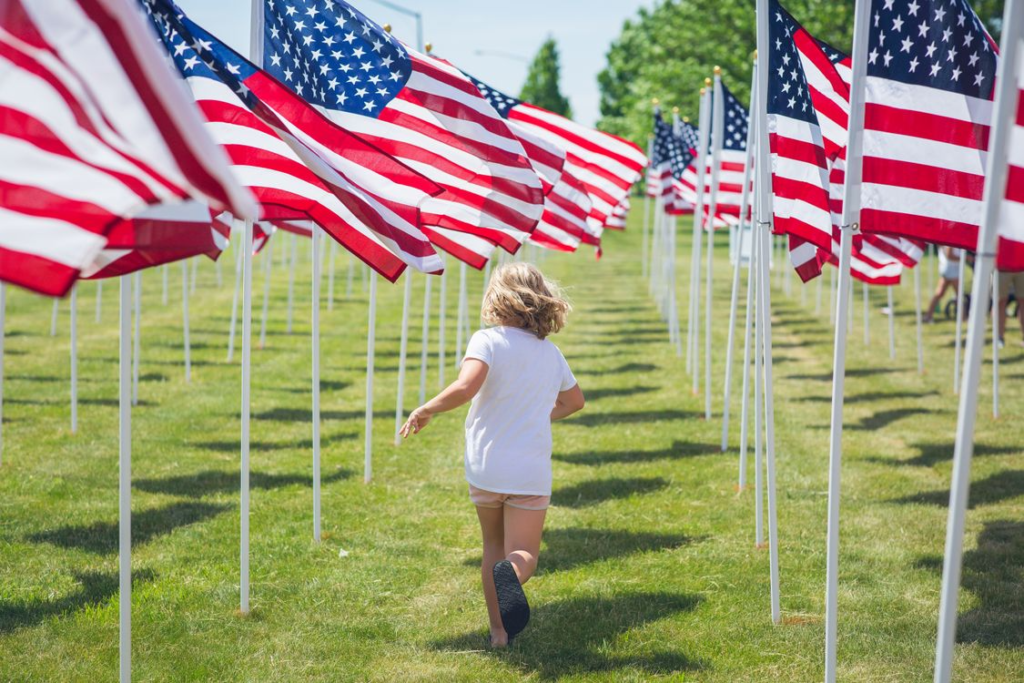
The American flag is displayed throughout neighborhoods, businesses, schools, and government buildings. Its thirteen stripes commemorate the original colonies, while the fifty stars represent today’s states.
The Bald Eagle, designated as the national bird, symbolizes freedom, strength, and resilience. It frequently appears in Independence Day artwork, educational materials, and official ceremonies.
Patriotic songs also play an important role during celebrations. Musical performances often include The Star-Spangled Banner, America the Beautiful, and God Bless America, reinforcing themes of national pride and shared history.
These symbols remind Americans that Independence Day is not only about celebrating the past but also about reflecting on the principles that continue shaping the nation’s future.
Family Traditions Across America
Although public celebrations remain important, Independence Day is equally recognized as a family holiday. Many Americans spend July 4 with relatives, friends, and neighbors, creating traditions that are passed from one generation to the next.
Outdoor cookouts have become one of the holiday’s defining customs. Families gather in parks, backyards, beaches, and lakes to enjoy grilled foods, picnics, games, and community events. These informal gatherings strengthen family relationships while encouraging neighbors to celebrate together.
Children often participate in bicycle parades, patriotic crafts, face painting, and community festivals. Adults attend concerts, sporting events, historical reenactments, and fireworks displays. Although activities vary across regions, the common theme remains bringing people together in celebration of freedom and community.
How Independence Day Became a Federal Holiday
While Americans had celebrated July 4 for decades, official federal recognition developed gradually.
During the nineteenth century, states increasingly recognized Independence Day as an important public holiday. Congress later established July 4 as a federal holiday for government employees in 1870. In 1938, legislation expanded those protections by making Independence Day a paid federal holiday, reflecting its importance within American civic life.
Today, government offices, schools, banks, and many businesses close in observance of the holiday. National ceremonies take place across the country, while millions of Americans participate in local events celebrating the nation’s history and democratic values.
Independence Day in Modern America
Modern Independence Day celebrations combine historical remembrance with contemporary traditions. Cities host concerts featuring patriotic music, museums organize educational exhibits, and historical sites welcome visitors interested in learning more about the American Revolution.
Digital technology has also transformed the holiday. Families share photographs online, communities livestream fireworks displays, and educational organizations publish interactive resources that help younger generations better understand the significance of July 4.
Despite these modern changes, the central purpose of Independence Day remains remarkably consistent. It is a day to reflect on the nation’s founding principles, honor those who contributed to its history, and appreciate the freedoms and responsibilities of citizenship.
The Enduring Meaning of the Fourth of July
For nearly two and a half centuries, Independence Day has represented more than a historical anniversary. It serves as an annual reminder of the courage, determination, and vision that shaped the United States.
Whether celebrated through a neighborhood parade, a family barbecue, a visit to a historic landmark, or an evening fireworks display, the Fourth of July continues to bring Americans together around shared traditions and national ideals. As each generation adds its own customs while preserving older ones, the holiday remains one of the country’s strongest symbols of unity, remembrance, and hope.
Freedom250 Flyover: A Special Fourth of July Celebration in 2026
One of the most unique additions to Independence Day 2026 celebrations is Utah’s Freedom250 Flyover, a statewide aviation event honoring the 250th anniversary of American independence. As communities across the country commemorate this historic milestone, Utah’s celebration combines military aviation, community engagement, and patriotic tradition in a way that reflects both the nation’s history and its future.
The Freedom250 Flyover is designed to connect dozens of communities across northern, central, and eastern Utah through a coordinated aerial demonstration featuring some of the U.S. Air Force’s most advanced aircraft. Unlike a traditional air show held at a single location, this event brings the celebration directly to cities and towns throughout the state, allowing thousands of residents to participate without traveling long distances.
What Is the Freedom250 Flyover?
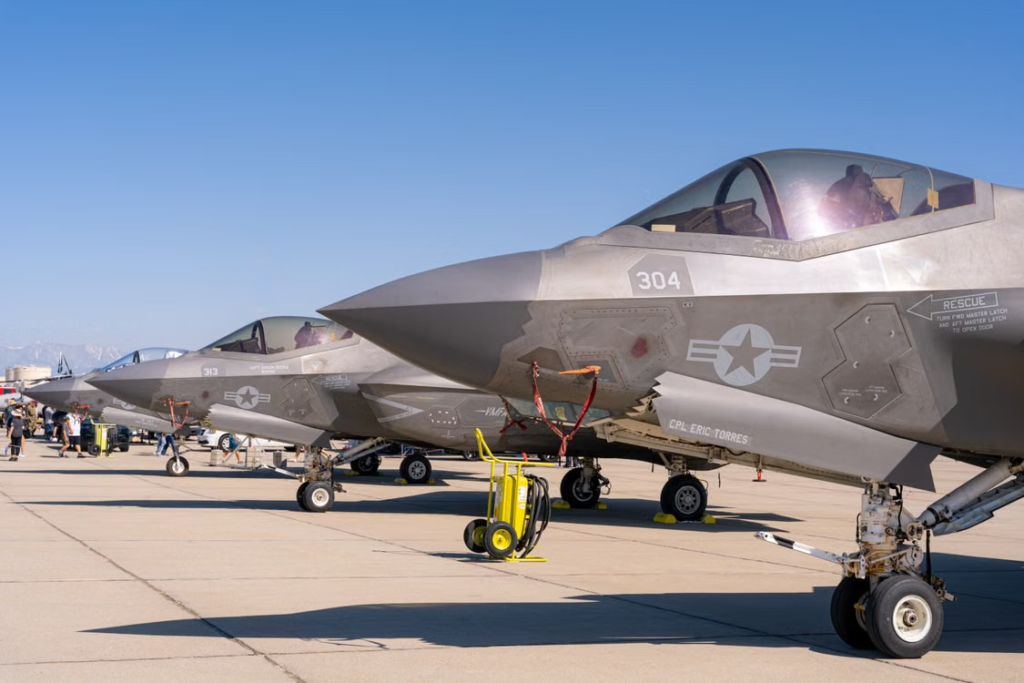
The Freedom250 Flyover is a joint mission involving the U.S. Air Force Reserve’s 419th Fighter Wing and the Utah Air National Guard’s 151st Wing. Aircraft will fly a carefully planned route across Utah on July 4, creating a visible tribute to the nation’s semiquincentennial—the 250th anniversary of the Declaration of Independence.
The formation includes F-35A Lightning II fighter aircraft, with portions of the route also featuring a KC-135R Stratotanker. The mission highlights the cooperation between active-duty support personnel, Air Force Reserve members, and the Air National Guard while showcasing modern American airpower.
A Celebration That Reaches Communities Across Utah
One of the most remarkable aspects of the Freedom250 Flyover is its statewide scale. Rather than focusing on a single parade or festival, planners created a continuous flight path reaching communities from northern Utah to the eastern part of the state.
According to organizers, an unusually high number of cities requested participation because of the significance of the nation’s 250th anniversary. To accommodate as many approved locations as possible, planners designed a route that allows aircraft to safely pass over dozens of celebrations within a few hours. Because weather, air traffic, and operational requirements can change, the published schedule is approximate and may be adjusted on the day of the event.
More Than a Patriotic Display
Although the flyover is a highlight of Independence Day festivities, it also serves an operational purpose. Military officials note that these missions provide valuable training in navigation, formation flying, communication, timing, and coordination across varied terrain. Conducting the mission as part of routine training allows aircrews to gain real-world experience while participating in a public celebration, without creating additional training costs beyond normal operations.
Honoring 250 Years of American Independence
The Freedom250 Flyover represents more than an aviation demonstration—it symbolizes the connection between America’s founding principles and those who continue to serve the nation today. As aircraft pass over local parades, festivals, and community gatherings, the event provides a shared moment of reflection on the country’s history, democratic values, and the significance of the Declaration of Independence.
Combined with fireworks, parades, concerts, and historical commemorations taking place across the country, Utah’s Freedom250 Flyover illustrates how Independence Day traditions continue to evolve while remaining rooted in the ideals of freedom, unity, and national service. As the United States marks this once-in-a-generation anniversary, events like the Freedom250 Flyover help connect history with the present, giving communities a memorable way to celebrate America’s enduring story.