
Artificial intelligence is rapidly transforming how people discover information online. Instead of clicking through multiple search results, users are increasingly asking questions directly in AI-powered platforms like ChatGPT, Google AI Overviews, Perplexity AI, Claude, and Gemini. These platforms generate comprehensive answers by referencing trusted websites, making AI visibility a new competitive advantage for brands.
As a result, traditional SEO is no longer enough. Businesses now need to understand how often they appear in AI-generated answers, which competitors receive more citations, and what content influences large language models (LLMs). This shift has given rise to an entirely new category of software known as Generative Engine Optimization (GEO) tools or AI visibility platforms.
These platforms go beyond keyword rankings. They monitor brand mentions across AI search engines, analyze citation patterns, track share of voice, identify content gaps, and provide actionable recommendations to improve visibility in AI-generated responses.
Whether you’re an SEO agency, SaaS company, enterprise brand, publisher, or digital marketer, investing in the right GEO platform can help future-proof your organic marketing strategy.
In this guide, we’ll compare the 10 best GEO tools for 2026, covering their features, strengths, limitations, pricing, and ideal use cases to help you choose the right solution.
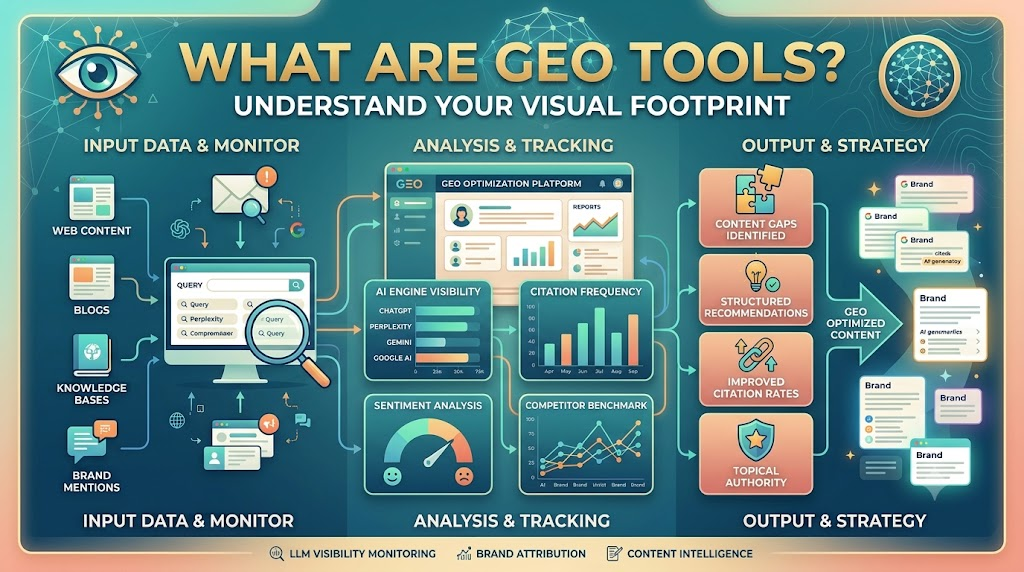
What Are GEO Tools?
Generative Engine Optimization (GEO) tools are software platforms designed to measure and improve how often a brand appears in AI-generated answers rather than traditional search engine rankings.
Unlike conventional SEO platforms that track keyword positions in Google or Bing, GEO tools analyze visibility across AI-powered search experiences. They help businesses understand whether AI assistants recognize their expertise, cite their content, recommend their products, or mention their brand when answering user queries.
Modern GEO platforms typically monitor:
- AI citations
- Brand mentions
- Share of voice
- Prompt performance
- Competitor visibility
- Citation sources
- AI search trends
- Content opportunities
Instead of optimizing for ten blue links, GEO focuses on becoming one of the trusted sources AI systems rely on when generating answers.
Why AI Visibility Matters in 2026
AI search is becoming a primary discovery channel. Millions of users now rely on conversational AI instead of typing multiple Google searches.
This behavioral shift changes how businesses earn visibility online.
When AI assistants answer a question directly, users may never visit a traditional search results page. Brands that consistently appear inside AI responses build authority, generate qualified traffic, and increase customer trust before a prospect even reaches their website.
For marketers, measuring AI visibility is becoming just as important as tracking keyword rankings or backlinks.
Companies that ignore this trend risk losing market share as AI assistants increasingly influence purchasing decisions, software recommendations, travel planning, healthcare research, and B2B buying journeys.
How We Evaluated These GEO Platforms
To create this comparison, we evaluated every platform using several important criteria:
- AI platform coverage
- Citation tracking accuracy
- Competitor analysis
- Reporting capabilities
- Ease of use
- Enterprise readiness
- Workflow automation
- Pricing transparency
- Integrations
- Overall value for money
Each platform excels in different areas, making some better suited for agencies while others are ideal for enterprise marketing teams or growing startups.
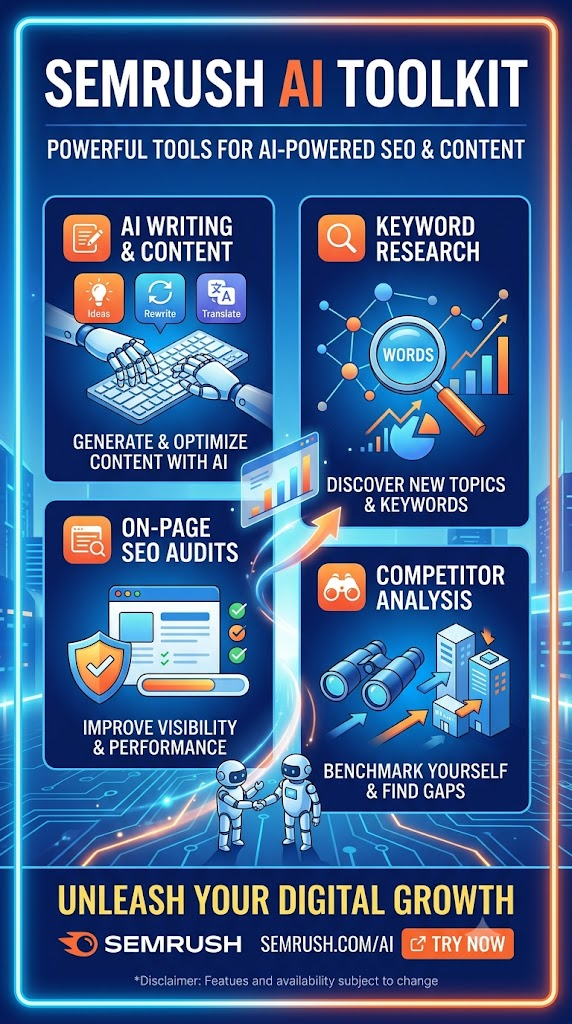
1. Semrush AI Toolkit
Semrush has expanded beyond traditional SEO by introducing AI visibility tracking into its marketing ecosystem.
Its AI Toolkit helps businesses understand how frequently their brands appear across AI-generated search experiences while connecting those insights with traditional SEO data.
Key Features
- AI visibility tracking
- Brand mention monitoring
- Competitor comparisons
- Prompt-based analysis
- Content recommendations
- Integrated SEO reporting
- Enterprise dashboards
Pros
- Familiar interface for SEO professionals
- Strong reporting capabilities
- Excellent competitor research
- Reliable historical data
- Large ecosystem of marketing tools
Cons
- Premium pricing
- Better suited for existing Semrush users
- Advanced features may require higher-tier plans
Best For
Marketing teams already using Semrush that want AI visibility insights alongside their existing SEO workflow.
2. Profound
Profound is one of the fastest-growing enterprise GEO platforms designed specifically for monitoring AI-generated search visibility.
It focuses on helping brands understand exactly how AI assistants mention products, services, executives, and competitors.
Key Features
- AI answer monitoring
- Brand citation tracking
- Prompt testing
- Market intelligence
- Executive reporting
- AI share-of-voice analysis
Pros
- Enterprise-focused
- Excellent dashboards
- Strong competitive intelligence
- Frequent platform updates
Cons
- Higher pricing
- Better suited for larger organizations
Best For
Enterprise marketing teams managing large brands across multiple markets.
Part 2: Best GEO Tools & AI Visibility Platforms for 2026 (Tools #3–#7)
3. Otterly.AI
Otterly.AI is one of the most popular GEO platforms for marketers who want a simple yet effective way to monitor their visibility across AI search engines. Rather than focusing on traditional keyword rankings, the platform tracks how often your website, brand, or products appear in responses generated by ChatGPT, Google AI Overviews, Perplexity, and other leading AI assistants.
Its clean dashboard makes it easy to monitor changes over time without requiring technical expertise, making it an attractive choice for small businesses, agencies, and content marketers.
Key Features
- AI search visibility tracking
- Brand and domain monitoring
- AI citation reports
- Prompt tracking
- Historical visibility trends
- Competitor comparison
- Automated reporting
Pros
- Beginner-friendly interface
- Fast setup process
- Affordable pricing
- Supports multiple AI platforms
- Excellent reporting for agencies
Cons
- Limited enterprise integrations
- Fewer advanced analytics than enterprise platforms
Best For
Small businesses, agencies, consultants, and content marketing teams looking for an easy way to monitor AI visibility.
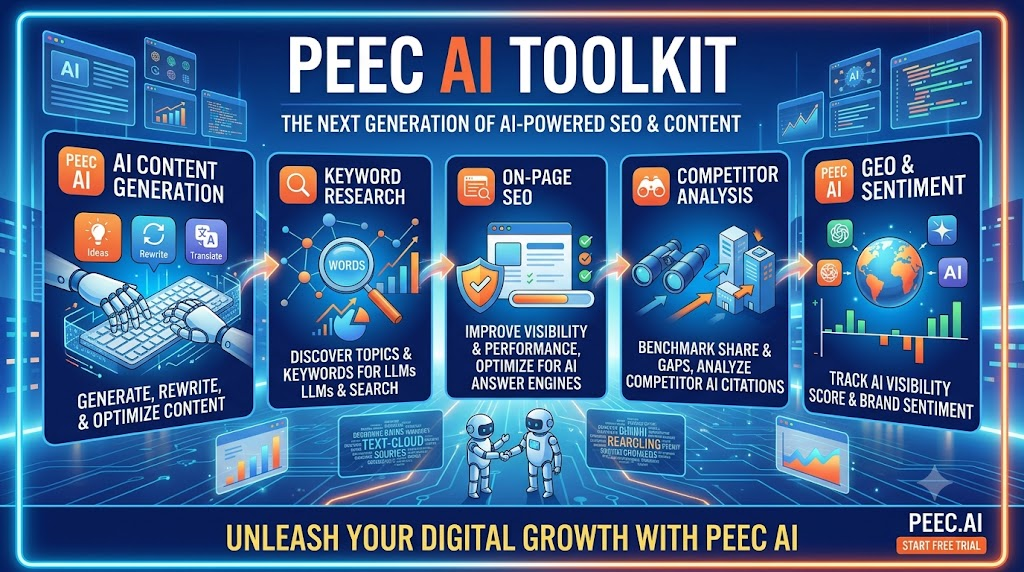
4. Peec AI
Peec AI is built specifically for Generative Engine Optimization (GEO). Instead of adapting traditional SEO metrics for AI search, it focuses entirely on helping brands understand how large language models reference their content.
The platform continuously evaluates AI-generated responses, identifies where competitors are receiving citations, and highlights opportunities to increase your own visibility. It also tracks AI share of voice across multiple prompts and industries.
Key Features
- AI visibility monitoring
- Citation tracking
- Prompt performance analysis
- Competitor benchmarking
- AI search analytics
- GEO reporting
- Historical trend analysis
Pros
- Built specifically for GEO
- Strong competitor insights
- Accurate citation tracking
- Modern user interface
Cons
- Newer platform with fewer integrations
- Enterprise features are still evolving
Best For
Marketing teams focused exclusively on improving AI search visibility.
5. Goodie AI
Goodie AI combines AI visibility monitoring with actionable optimization recommendations. Instead of only telling users where they appear in AI-generated responses, it also identifies why certain competitors are cited more frequently.
This makes the platform valuable for businesses looking to improve content quality, topical authority, and structured data—all important factors influencing AI-generated answers.
Key Features
- AI mention monitoring
- Citation analysis
- Content optimization suggestions
- Competitor research
- GEO reporting
- Prompt testing
Pros
- Actionable recommendations
- Intuitive dashboard
- Helpful for content teams
- Regular feature updates
Cons
- Smaller ecosystem than larger competitors
- Limited third-party integrations
Best For
Content marketers, publishers, and businesses creating educational content.
6. Scrunch AI
Scrunch AI focuses on enterprise AI search intelligence. The platform helps organizations understand how their brand is represented across multiple AI systems while providing detailed insights into customer prompts, citation sources, and competitive positioning.
Its reporting capabilities are particularly valuable for organizations managing multiple brands or international markets.
Key Features
- Enterprise dashboards
- AI search monitoring
- Brand visibility reports
- Prompt analytics
- Competitor intelligence
- Team collaboration
- Executive reporting
Pros
- Enterprise-ready
- Excellent analytics
- Multi-user collaboration
- Scalable reporting
Cons
- Premium pricing
- Learning curve for new users
Best For
Large organizations requiring enterprise-grade AI visibility monitoring.
7. Rankscale
Rankscale bridges the gap between traditional SEO and modern GEO. It provides AI visibility metrics alongside keyword rankings, allowing businesses to evaluate their overall search performance from a single dashboard.
This hybrid approach is particularly useful for organizations transitioning from conventional SEO strategies toward AI-first optimization.
Key Features
- AI visibility scores
- Traditional SEO tracking
- Citation monitoring
- Content recommendations
- Competitor analysis
- Ranking reports
- Workflow automation
Pros
- Combines SEO and GEO
- Easy-to-understand metrics
- Helpful content recommendations
- Strong reporting capabilities
Cons
- AI tracking still expanding
- Some advanced features require premium plans
Best For
Businesses wanting to manage traditional SEO and AI visibility together.
Part 2: Best GEO Tools & AI Visibility Platforms for 2026 (Tools #3–#7)
3. Otterly.AI
Otterly.AI is one of the most popular GEO platforms for marketers who want a simple yet effective way to monitor their visibility across AI search engines. Rather than focusing on traditional keyword rankings, the platform tracks how often your website, brand, or products appear in responses generated by ChatGPT, Google AI Overviews, Perplexity, and other leading AI assistants.
Its clean dashboard makes it easy to monitor changes over time without requiring technical expertise, making it an attractive choice for small businesses, agencies, and content marketers.
Key Features
- AI search visibility tracking
- Brand and domain monitoring
- AI citation reports
- Prompt tracking
- Historical visibility trends
- Competitor comparison
- Automated reporting
Pros
- Beginner-friendly interface
- Fast setup process
- Affordable pricing
- Supports multiple AI platforms
- Excellent reporting for agencies
Cons
- Limited enterprise integrations
- Fewer advanced analytics than enterprise platforms
Best For
Small businesses, agencies, consultants, and content marketing teams looking for an easy way to monitor AI visibility.
4. Peec AI
Peec AI is built specifically for Generative Engine Optimization (GEO). Instead of adapting traditional SEO metrics for AI search, it focuses entirely on helping brands understand how large language models reference their content.
The platform continuously evaluates AI-generated responses, identifies where competitors are receiving citations, and highlights opportunities to increase your own visibility. It also tracks AI share of voice across multiple prompts and industries.
Key Features
- AI visibility monitoring
- Citation tracking
- Prompt performance analysis
- Competitor benchmarking
- AI search analytics
- GEO reporting
- Historical trend analysis
Pros
- Built specifically for GEO
- Strong competitor insights
- Accurate citation tracking
- Modern user interface
Cons
- Newer platform with fewer integrations
- Enterprise features are still evolving
Best For
Marketing teams focused exclusively on improving AI search visibility.
5. Goodie AI
Goodie AI combines AI visibility monitoring with actionable optimization recommendations. Instead of only telling users where they appear in AI-generated responses, it also identifies why certain competitors are cited more frequently.
This makes the platform valuable for businesses looking to improve content quality, topical authority, and structured data—all important factors influencing AI-generated answers.
Key Features
- AI mention monitoring
- Citation analysis
- Content optimization suggestions
- Competitor research
- GEO reporting
- Prompt testing
Pros
- Actionable recommendations
- Intuitive dashboard
- Helpful for content teams
- Regular feature updates
Cons
- Smaller ecosystem than larger competitors
- Limited third-party integrations
Best For
Content marketers, publishers, and businesses creating educational content.
6. Scrunch AI
Scrunch AI focuses on enterprise AI search intelligence. The platform helps organizations understand how their brand is represented across multiple AI systems while providing detailed insights into customer prompts, citation sources, and competitive positioning.
Its reporting capabilities are particularly valuable for organizations managing multiple brands or international markets.
Key Features
- Enterprise dashboards
- AI search monitoring
- Brand visibility reports
- Prompt analytics
- Competitor intelligence
- Team collaboration
- Executive reporting
Pros
- Enterprise-ready
- Excellent analytics
- Multi-user collaboration
- Scalable reporting
Cons
- Premium pricing
- Learning curve for new users
Best For
Large organizations requiring enterprise-grade AI visibility monitoring.
7. Rankscale
Rankscale bridges the gap between traditional SEO and modern GEO. It provides AI visibility metrics alongside keyword rankings, allowing businesses to evaluate their overall search performance from a single dashboard.
This hybrid approach is particularly useful for organizations transitioning from conventional SEO strategies toward AI-first optimization.
Key Features
- AI visibility scores
- Traditional SEO tracking
- Citation monitoring
- Content recommendations
- Competitor analysis
- Ranking reports
- Workflow automation
Pros
- Combines SEO and GEO
- Easy-to-understand metrics
- Helpful content recommendations
- Strong reporting capabilities
Cons
- AI tracking still expanding
- Some advanced features require premium plans
Best For
Businesses wanting to manage traditional SEO and AI visibility together.
Part 3: Best GEO Tools & AI Visibility Platforms for 2026 (Tools #8–#10)
8. Waikay
Waikay helps brands understand how AI models interpret their content and whether they’re being recommended in AI-generated responses. It emphasizes prompt analysis and AI citation tracking while providing insights into improving topical authority.
Key Features
- Prompt monitoring
- AI visibility reports
- Citation tracking
- Competitor benchmarking
- Trend analysis
Best For
Growing companies entering AI search optimization.
9. Nightwatch AI Visibility
Known for its SEO rank tracking capabilities, Nightwatch has expanded into AI visibility by introducing monitoring for AI-generated search experiences. Businesses can track traditional rankings alongside AI citations within a familiar reporting environment.
Key Features
- AI citation monitoring
- Keyword tracking
- Competitor reports
- Custom dashboards
- Automated reports
Best For
SEO professionals seeking a hybrid SEO and GEO platform.
10. HubSpot AI Search Grader
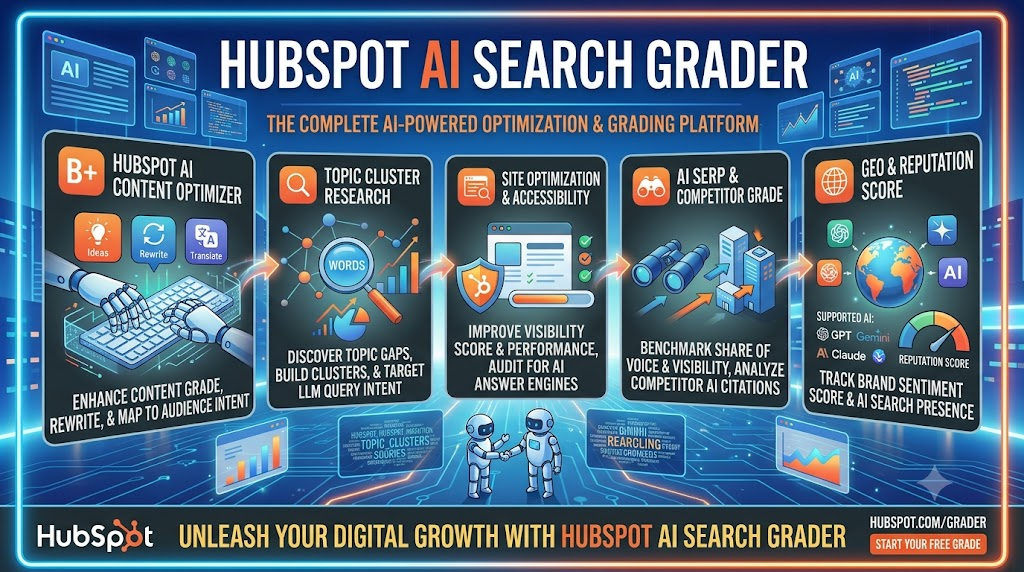
HubSpot’s AI Search Grader is a free tool that gives businesses a snapshot of how visible their brand is across AI-powered search experiences. While it doesn’t provide the deep monitoring capabilities of enterprise GEO platforms, it’s an excellent starting point for organizations beginning their AI optimization journey.
Key Features
- Free AI visibility assessment
- Brand mention analysis
- Basic recommendations
- Easy-to-read reports
Pros
- Completely free
- Fast results
- Beginner-friendly
- No complex setup
Cons
- Limited reporting
- Not designed for ongoing monitoring
Best For
Small businesses and marketers exploring AI visibility for the first time.
Comparison Table
| Tool | Best For | AI Citation Tracking | Competitor Analysis | Enterprise Ready |
|---|---|---|---|---|
| Semrush AI Toolkit | SEO Teams | ✔ | ✔ | ✔ |
| Profound | Enterprises | ✔ | ✔ | ✔ |
| Otterly.AI | Agencies | ✔ | ✔ | Limited |
| Peec AI | GEO Specialists | ✔ | ✔ | Growing |
| Goodie AI | Content Teams | ✔ | ✔ | Moderate |
| Scrunch AI | Large Brands | ✔ | ✔ | ✔ |
| Rankscale | SEO + GEO | ✔ | ✔ | Moderate |
| Waikay | Growing Businesses | ✔ | Moderate | Limited |
| Nightwatch | SEO Professionals | ✔ | ✔ | Moderate |
| HubSpot AI Search Grader | Beginners | Basic | Limited | No |
How to Choose the Best GEO Tool
Selecting the right GEO platform depends on your organization’s goals, budget, and marketing maturity.
If you’re already invested in SEO software, choosing a platform that integrates AI visibility with traditional search metrics may offer the most value.
Agencies should prioritize tools with automated reporting and client dashboards, while enterprise organizations should focus on advanced analytics, API access, and collaboration features.
Consider these factors before making a decision:
- AI platform coverage
- Reporting quality
- Competitor tracking
- Pricing
- Ease of use
- Workflow automation
- Team collaboration
- Historical data
- Integrations
- Customer support
GEO Best Practices for 2026
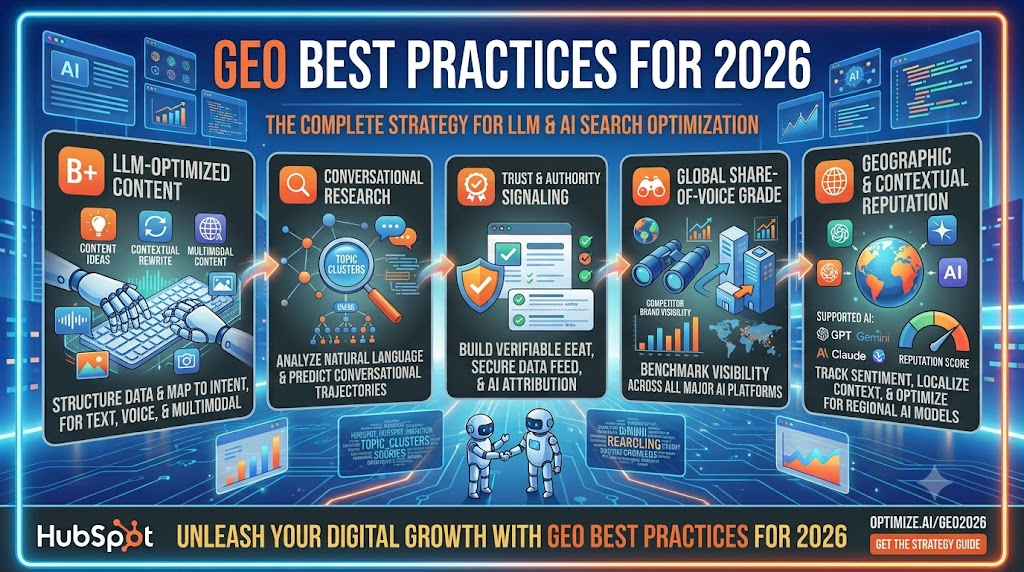
Owning the right software is only one part of the equation. Brands also need an effective optimization strategy.
Some proven GEO best practices include:
- Publish authoritative, research-backed content.
- Demonstrate first-hand expertise.
- Use clear heading structures.
- Add schema markup where appropriate.
- Build topical authority around core subjects.
- Earn backlinks from reputable publications.
- Keep content updated regularly.
- Answer common user questions naturally.
- Strengthen your brand across trusted online sources.
- Monitor AI citations and adjust content based on performance.
Frequently Asked Questions
What is a GEO tool?
A GEO (Generative Engine Optimization) tool helps businesses monitor and improve how often their brand appears in AI-generated answers from platforms like ChatGPT, Google AI Overviews, Perplexity, Claude, and Gemini.
Are GEO tools replacing SEO tools?
No. GEO complements SEO rather than replacing it. Traditional search engines remain important, while AI search introduces an additional channel for visibility.
Which GEO platform is best for enterprises?
Enterprise organizations often benefit from platforms like Profound, Semrush AI Toolkit, or Scrunch AI because of their advanced reporting, collaboration features, and scalability.
Can small businesses benefit from GEO?
Absolutely. Even small businesses can improve brand awareness and organic discovery by optimizing content for AI search and tracking citations with affordable GEO platforms.
Final Thoughts
AI-powered search is redefining how users discover brands, products, and information online. As conversational search becomes more influential, businesses that actively monitor and optimize their AI visibility will gain a significant competitive advantage.
The best GEO tools help marketers understand where they appear in AI-generated answers, how competitors are outperforming them, and which content strategies increase citations and recommendations. Whether you’re an enterprise brand, SaaS company, agency, or startup, investing in the right AI visibility platform today can strengthen your digital presence for years to come.
Rather than viewing GEO as a replacement for SEO, treat it as the next evolution of search optimization. Organizations that combine strong technical SEO, high-quality content, and AI visibility tracking will be best positioned to succeed in 2026 and beyond.