
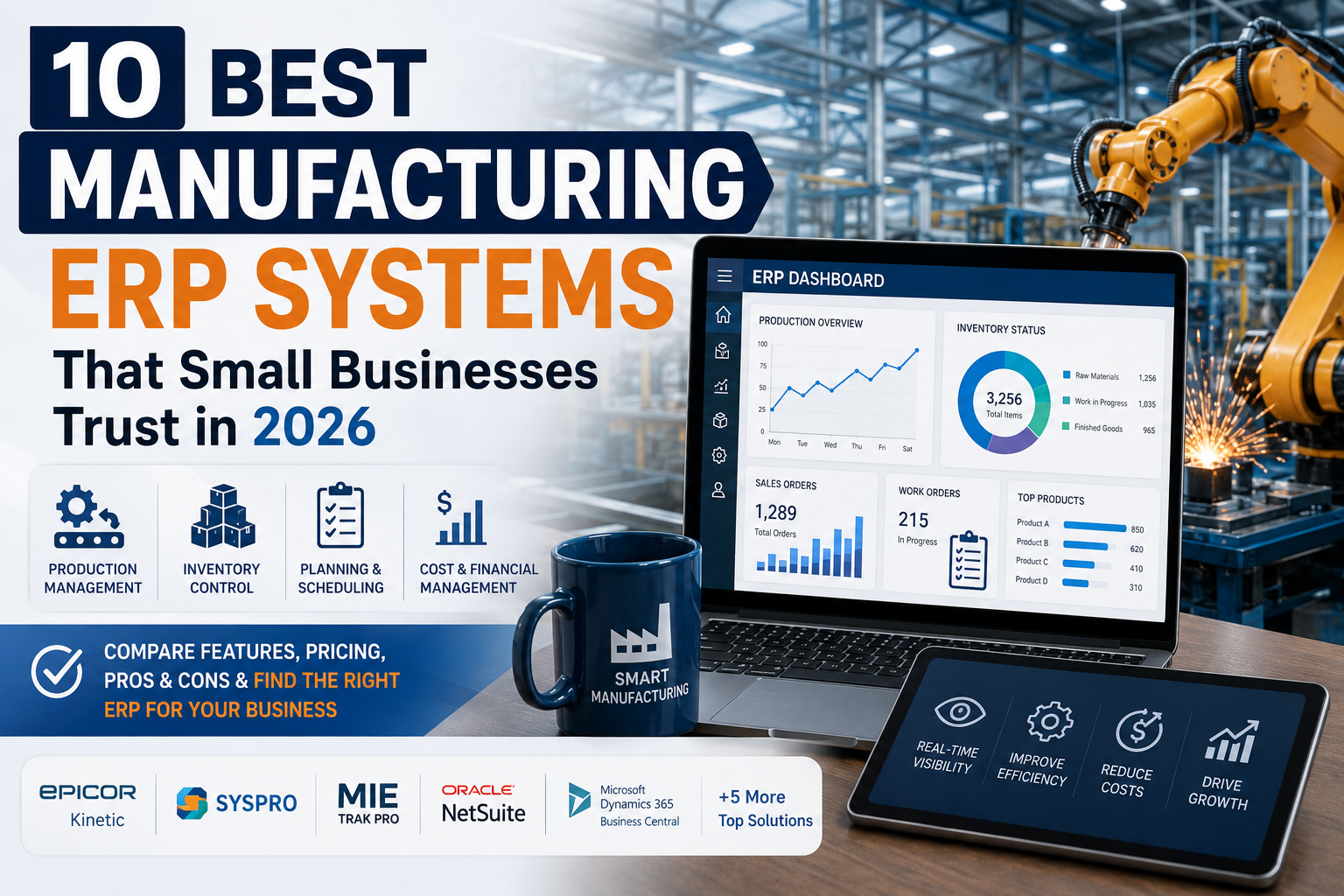
Running a manufacturing business has never been more challenging—or more competitive. From managing inventory and production schedules to tracking supplier performance and controlling operational costs, manufacturers must coordinate multiple processes while meeting customer expectations for speed, quality, and reliability.
For small and growing manufacturers, relying on spreadsheets or disconnected software often leads to production delays, inventory inaccuracies, and inefficient workflows. As operations scale, these manual systems become increasingly difficult to manage.
This is where Manufacturing ERP (Enterprise Resource Planning) software becomes essential.
A modern manufacturing ERP system centralizes your business operations into a single platform, helping you manage production planning, inventory, procurement, sales, accounting, warehouse operations, quality control, and customer relationships. Instead of switching between multiple applications, manufacturers gain real-time visibility into every stage of production, enabling smarter decisions and greater operational efficiency.
Cloud-based ERP solutions have also made advanced manufacturing technology more accessible than ever. Small businesses no longer need enterprise-sized budgets to implement powerful ERP systems that automate workflows, reduce waste, and improve productivity.
In this guide, we’ve compared the 10 best manufacturing ERP systems for small businesses in 2026 based on ease of use, manufacturing capabilities, scalability, pricing, customer support, and overall value. Whether you’re a custom manufacturer, machine shop, electronics producer, metal fabricator, or food manufacturer, this comparison will help you choose the right solution for your business.
What Is a Manufacturing ERP System?
A Manufacturing ERP (Enterprise Resource Planning) system is software designed to help manufacturers manage their entire operation from a single, integrated platform.
Unlike standard business management software, manufacturing ERP solutions include industry-specific modules that support production planning, inventory management, purchasing, shop floor control, bill of materials (BOM), quality assurance, scheduling, warehouse management, and financial reporting.
By connecting departments across the organization, ERP systems eliminate data silos and provide real-time insights into production performance.
Instead of relying on separate systems for inventory, accounting, purchasing, and manufacturing, an ERP ensures that every department works from the same data, reducing errors and improving efficiency.
Why Small Manufacturers Need ERP Software
Many small manufacturers initially manage their operations using spreadsheets or standalone accounting software. While these tools may work in the early stages, they often struggle to keep up as the business grows.
A manufacturing ERP system helps businesses:
- Automate repetitive tasks
- Improve production scheduling
- Reduce inventory waste
- Track work-in-progress (WIP)
- Manage bills of materials (BOM)
- Forecast inventory demand
- Improve purchasing decisions
- Monitor production costs
- Enhance quality control
- Generate accurate business reports
Perhaps most importantly, ERP software gives decision-makers real-time visibility into their operations, enabling faster and more informed decisions.

How We Selected the Best Manufacturing ERP Systems
To ensure this comparison is practical and unbiased, we evaluated each ERP platform based on several key criteria relevant to small and medium-sized manufacturers.
Manufacturing Capabilities
We assessed each solution’s production planning, scheduling, inventory management, BOM management, shop floor control, quality management, and warehouse functionality.
Ease of Implementation
Small businesses often have limited IT resources. We prioritized platforms that offer straightforward implementation, user-friendly interfaces, and comprehensive onboarding support.
Scalability
An ERP should grow alongside your business. We considered each platform’s ability to support expanding operations, additional users, and increasing production complexity.
Cloud Accessibility
Cloud ERP solutions provide remote access, automatic updates, lower infrastructure costs, and improved security. We favored systems offering flexible cloud deployment.
Reporting and Analytics
Manufacturers depend on accurate reporting to monitor production performance, costs, inventory levels, and profitability. We evaluated the quality of dashboards and reporting tools offered by each platform.
1. Epicor Kinetic
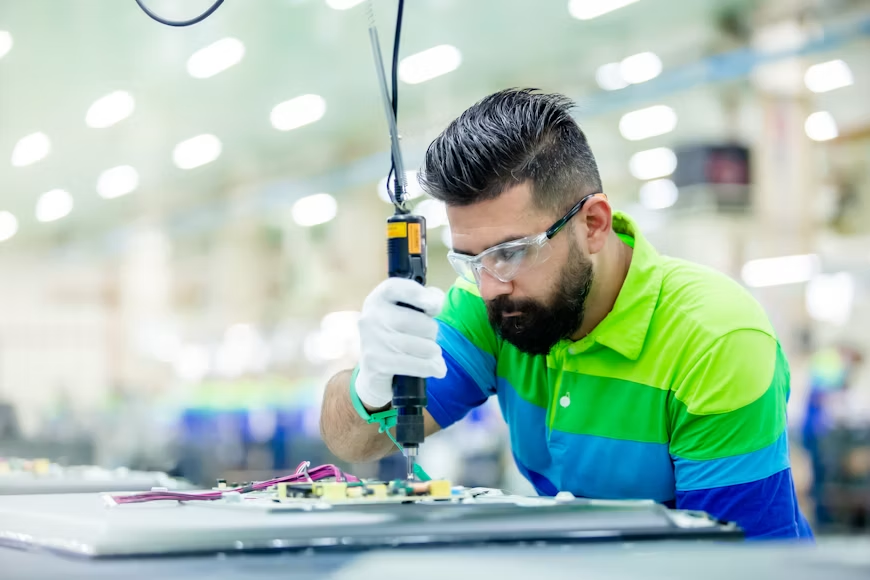
Epicor Kinetic is one of the most comprehensive ERP solutions designed specifically for manufacturers. Built with industry-specific functionality, it supports discrete, mixed-mode, and make-to-order manufacturing environments.
Unlike general ERP platforms, Epicor focuses heavily on production management, enabling manufacturers to optimize shop floor operations, automate workflows, and improve visibility across the supply chain.
The platform offers robust tools for inventory management, production scheduling, quality assurance, supply chain management, and financial reporting—all within a single integrated system.
Key Features
- Advanced Production Planning
- Manufacturing Execution System (MES)
- Bill of Materials (BOM)
- Shop Floor Control
- Inventory & Warehouse Management
- Supply Chain Management
- CRM Integration
- Business Intelligence Dashboards
- Cloud & On-Premise Deployment
- AI-Powered Operational Insights
Pros
✔ Purpose-built for manufacturers
✔ Excellent production planning tools
✔ Highly scalable
✔ Advanced reporting and analytics
✔ Strong automation capabilities
Cons
- Premium pricing
- Longer implementation compared to lightweight ERP solutions
- Best suited for growing manufacturers rather than micro-businesses
Best For
Medium-sized manufacturers planning long-term growth and requiring advanced production management.
2. SYSPRO
SYSPRO has been serving manufacturers for more than four decades and remains one of the most trusted ERP platforms in the industry. Designed specifically for manufacturing and distribution businesses, it combines production planning, inventory control, procurement, financial management, and analytics in a single solution.
One of SYSPRO’s strengths is its flexibility. Businesses can tailor workflows, reports, and dashboards to suit their operational requirements without extensive customization.
The platform also incorporates AI-driven insights, demand forecasting, and predictive analytics to help manufacturers make data-informed decisions.
Key Features
- Production Planning
- Material Requirements Planning (MRP)
- Inventory Optimization
- Warehouse Management
- Procurement Automation
- Financial Management
- Product Traceability
- Demand Forecasting
- Manufacturing Analytics
- Quality Management
Pros
✔ Manufacturing-specific functionality
✔ Strong inventory management
✔ Flexible customization
✔ Excellent reporting
✔ Reliable customer support
Cons
- Interface feels dated in some areas
- Some advanced modules require additional licensing
Best For
Small to mid-sized manufacturers seeking a flexible, industry-focused ERP platform.
3. MIE Trak Pro
MIE Trak Pro is purpose-built for small and medium-sized manufacturers, particularly custom manufacturers, fabrication shops, and job shops.
Unlike broad ERP platforms designed for multiple industries, MIE Trak Pro focuses exclusively on manufacturing workflows. It helps businesses manage estimating, quoting, scheduling, inventory, purchasing, quality control, production, shipping, and accounting from a centralized system.
One of its standout strengths is job costing. Manufacturers can accurately track labor, materials, machine time, and overhead expenses, providing better visibility into project profitability.
Key Features
- Job Costing
- Shop Floor Management
- Production Scheduling
- CRM
- Inventory Management
- Purchasing
- Quality Control
- Accounting Integration
- Reporting Dashboard
- Barcode Tracking
Pros
✔ Excellent for custom manufacturing
✔ Strong job costing capabilities
✔ User-friendly interface
✔ Affordable compared to enterprise ERP solutions
✔ Comprehensive production tracking
Cons
- Limited third-party integrations
- Smaller ecosystem than larger ERP vendors
Best For
Machine shops, fabrication companies, custom manufacturers, and growing SMBs looking for a manufacturing-focused ERP without enterprise-level complexity.
4. Oracle NetSuite ERP
Oracle NetSuite is one of the world’s leading cloud ERP solutions, trusted by thousands of businesses across manufacturing, retail, wholesale distribution, and professional services. While it serves organizations of all sizes, its manufacturing edition offers specialized tools that help small and growing manufacturers streamline production, inventory, procurement, and financial management from a single platform.
One of NetSuite’s biggest strengths is its cloud-native architecture. Because the software is entirely cloud-based, businesses can access real-time production and financial data from anywhere without maintaining expensive on-premise infrastructure. This makes it an attractive choice for manufacturers with multiple facilities or remote management teams.
The platform also includes advanced planning capabilities that allow manufacturers to forecast demand, optimize inventory levels, manage work orders, and improve production scheduling. Combined with built-in financial management and analytics, NetSuite gives decision-makers complete visibility into business performance.
Key Features
- Cloud-native ERP
- Production Planning
- Bill of Materials (BOM)
- Inventory Management
- Demand Planning
- Procurement Management
- Supply Chain Visibility
- Financial Management
- CRM Integration
- Business Intelligence Dashboards
Pros
- Fully cloud-based platform
- Excellent financial management
- Strong reporting and analytics
- Highly scalable
- Wide integration ecosystem
Cons
- Higher implementation costs
- May require consulting for customization
- Advanced modules increase pricing
Best For
Small manufacturers planning rapid growth or businesses looking for a scalable cloud ERP solution.
5. Microsoft Dynamics 365 Business Central
Microsoft Dynamics 365 Business Central combines ERP functionality with Microsoft’s familiar ecosystem, making it an excellent option for businesses already using Microsoft 365 applications. It helps manufacturers manage finance, purchasing, inventory, production, warehouse operations, and customer relationships through a unified cloud platform.
Its manufacturing capabilities include production orders, capacity planning, assembly management, inventory optimization, and supply chain management. Because the software integrates seamlessly with Excel, Outlook, Teams, and Power BI, employees can work within tools they already know while benefiting from centralized business data.
Another major advantage is Microsoft’s AI-powered Copilot, which helps automate repetitive tasks, generate reports, and improve productivity. As AI becomes increasingly integrated into ERP systems, Business Central is positioning itself as a future-ready platform for manufacturers.
Key Features
- Production Management
- Warehouse Management
- Supply Chain Planning
- Inventory Optimization
- Financial Management
- Power BI Analytics
- Microsoft 365 Integration
- AI Copilot
- CRM Capabilities
- Cloud Deployment
Pros
- Excellent Microsoft integration
- User-friendly interface
- Powerful reporting tools
- Scalable cloud platform
- Strong automation features
Cons
- Manufacturing features may require partner extensions
- Customization can increase implementation costs
Best For
Manufacturers already using Microsoft products who want a connected ERP ecosystem.
6. Acumatica Manufacturing Edition
Acumatica Manufacturing Edition is designed for manufacturers that need flexibility without sacrificing advanced functionality. Unlike many ERP systems that charge per user, Acumatica uses a resource-based licensing model, making it an attractive option for businesses expecting workforce growth.
The software offers comprehensive manufacturing capabilities, including production planning, material requirements planning (MRP), estimating, scheduling, quality management, inventory control, and financial reporting. Its intuitive interface and cloud accessibility allow production managers and executives to monitor operations from virtually anywhere.
Acumatica also emphasizes customization. Businesses can adapt workflows, dashboards, and reports to match their operational processes without heavily modifying the core software. This flexibility makes it suitable for manufacturers with unique production environments.
Key Features
- Material Requirements Planning (MRP)
- Production Scheduling
- Inventory Management
- Quality Control
- Estimating
- Manufacturing Orders
- Financial Management
- Cloud ERP
- Custom Dashboards
- Mobile Accessibility
Pros
- Unlimited user licensing
- Strong manufacturing capabilities
- Flexible customization
- Modern interface
- Excellent customer support
Cons
- Pricing varies by implementation partner
- Initial setup can be time-consuming
Best For
Growing manufacturers that need flexibility and expect to scale operations over time.
7. Katana Cloud Manufacturing
Katana has quickly become one of the most popular cloud ERP solutions for small manufacturers because of its simplicity, affordability, and ease of use. Unlike enterprise-focused platforms, Katana was designed specifically for small businesses that need powerful manufacturing functionality without a complicated implementation process.
The software provides real-time inventory tracking, production scheduling, order management, shop floor control, and purchasing in a clean, modern interface. Businesses can easily monitor raw materials, finished goods, and production progress through visual dashboards that simplify day-to-day operations.
Katana also integrates with popular business applications like Shopify, WooCommerce, QuickBooks, Xero, and other accounting or eCommerce platforms. These integrations help eliminate manual data entry while improving operational efficiency across departments.
Key Features
- Real-Time Inventory Tracking
- Production Planning
- Manufacturing Orders
- Purchase Order Management
- Sales Order Management
- Warehouse Visibility
- Shop Floor Control
- Barcode Support
- Cloud Deployment
- Third-Party Integrations
Pros
- Easy to implement
- Modern user interface
- Affordable pricing
- Excellent inventory management
- Strong eCommerce integrations
Cons
- Limited advanced manufacturing features
- Better suited for small manufacturers than large enterprises
Best For
Small manufacturers, D2C brands, and businesses looking for an intuitive cloud manufacturing ERP.
8. MRPeasy
MRPeasy is a cloud-based manufacturing ERP built specifically for small manufacturers that need professional production management without enterprise-level complexity. It combines manufacturing planning, inventory management, purchasing, CRM, and accounting integrations into an affordable platform designed for companies with limited IT resources.
The software excels at production scheduling and inventory planning, allowing businesses to optimize material availability while reducing excess stock. Its intuitive dashboard makes it easy to monitor work orders, production progress, purchasing, and warehouse operations in real time.
MRPeasy also integrates with accounting platforms like QuickBooks and Xero, helping manufacturers synchronize financial and operational data without relying on manual spreadsheets. For many small businesses, this balance of functionality and affordability makes it one of the strongest ERP options available.
Key Features
- Production Planning
- Material Requirements Planning (MRP)
- Inventory Control
- Purchasing Management
- CRM
- Shop Floor Scheduling
- Warehouse Management
- Accounting Integrations
- Reporting Dashboard
- Cloud Access
Pros
- Affordable pricing
- Easy implementation
- Excellent production planning
- User-friendly interface
- Designed specifically for small manufacturers
Cons
- Limited enterprise functionality
- Fewer customization options than larger ERP platforms
Best For
Small manufacturers, startups, workshops, and growing production businesses looking for an affordable cloud ERP solution.
Comparison, Buying Guide, FAQs & Final Verdict
9. Odoo Manufacturing
Odoo Manufacturing is part of the broader Odoo business management suite, offering an affordable and highly customizable ERP solution for small and medium-sized manufacturers. Unlike many traditional ERP systems, Odoo follows a modular approach, allowing businesses to implement only the applications they need. This flexibility helps reduce costs while providing room to expand as operations grow.
The manufacturing module includes features such as production planning, work orders, bills of materials (BOM), maintenance management, quality control, inventory tracking, and purchasing. Because all Odoo applications are interconnected, businesses can seamlessly manage manufacturing, sales, accounting, CRM, HR, and eCommerce from a single platform.
One of Odoo’s greatest strengths is its open-source foundation and extensive marketplace of third-party applications. Companies can customize workflows, automate repetitive tasks, and integrate external tools without investing in expensive enterprise software. This makes Odoo particularly attractive for businesses seeking flexibility without sacrificing core ERP functionality.
Key Features
- Manufacturing Resource Planning (MRP)
- Bill of Materials (BOM)
- Work Order Management
- Production Scheduling
- Inventory & Warehouse Management
- Maintenance Management
- Quality Control
- Accounting Integration
- CRM Integration
- eCommerce Support
Pros
- Affordable pricing
- Highly customizable
- Modern and intuitive interface
- Large ecosystem of business applications
- Scales with business growth
Cons
- Advanced customization may require technical expertise
- Some third-party apps involve additional costs
Best For
Small and medium-sized manufacturers looking for a flexible ERP platform that can support multiple business functions beyond manufacturing.
10. SAP Business One
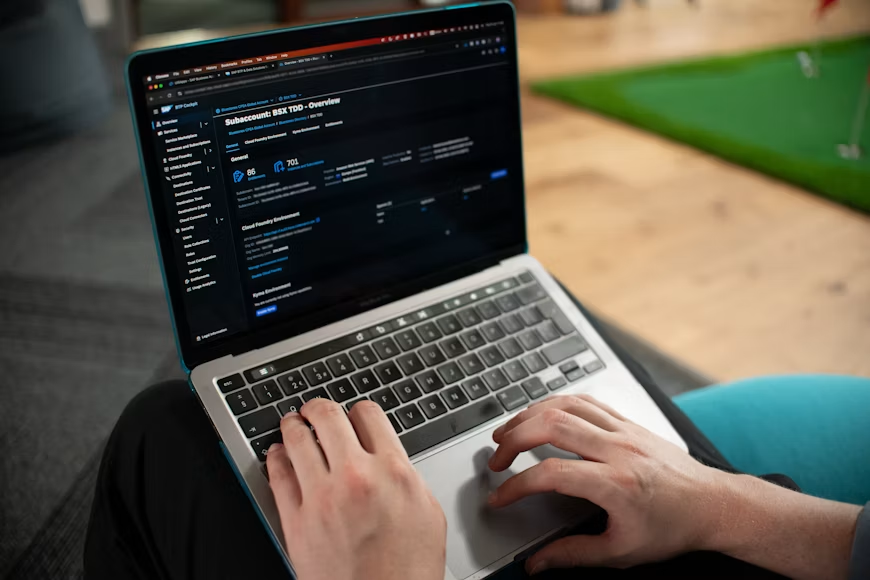
SAP Business One is a powerful ERP solution designed specifically for small and mid-sized businesses. Backed by SAP’s decades of enterprise software experience, it provides manufacturers with comprehensive tools for production planning, inventory management, procurement, finance, sales, customer relationship management, and business intelligence.
One of its biggest advantages is real-time visibility. Managers can monitor inventory levels, production costs, supplier performance, and financial metrics from centralized dashboards, enabling faster and more informed decision-making. The software also supports batch and serial number tracking, making it an excellent choice for manufacturers operating in regulated industries.
Although SAP Business One requires a larger investment than some entry-level ERP systems, it delivers enterprise-grade functionality in a package tailored for growing businesses. Organizations planning long-term expansion often find it worthwhile because the software can support increasing operational complexity without requiring a complete system replacement.
Key Features
- Production Planning
- Inventory Management
- Procurement Management
- Warehouse Management
- Financial Management
- CRM
- Business Intelligence
- Batch & Serial Number Tracking
- Supply Chain Management
- Cloud and On-Premise Deployment
Pros
- Enterprise-grade functionality
- Excellent reporting and analytics
- Strong financial management
- Reliable scalability
- Trusted global brand
Cons
- Higher implementation costs
- Longer deployment timeline
- Requires user training for advanced features
Best For
Growing manufacturers that need enterprise-level capabilities while maintaining the flexibility required by small and medium-sized businesses.
Manufacturing ERP Comparison Table
| ERP Software | Deployment | Best For | Starting Price | Free Trial |
|---|---|---|---|---|
| Epicor Kinetic | Cloud / On-Premise | Medium Manufacturers | Custom Quote | No |
| SYSPRO | Cloud / On-Premise | Manufacturing & Distribution | Custom Quote | Demo Available |
| MIE Trak Pro | Cloud / On-Premise | Job Shops & Fabricators | Custom Quote | Demo Available |
| Oracle NetSuite | Cloud | Growing Manufacturers | Custom Quote | No |
| Microsoft Dynamics 365 Business Central | Cloud | Microsoft Ecosystem Users | Subscription | Yes |
| Acumatica Manufacturing | Cloud | Scaling Businesses | Custom Quote | Demo Available |
| Katana | Cloud | Small Manufacturers | Monthly Subscription | Yes |
| MRPeasy | Cloud | Small Businesses | Monthly Subscription | Yes |
| Odoo Manufacturing | Cloud / On-Premise | Budget-Friendly Businesses | Affordable Subscription | Yes |
| SAP Business One | Cloud / On-Premise | Enterprise Growth | Custom Quote | Demo Available |
How to Choose the Right Manufacturing ERP
Choosing the right ERP system is about more than comparing features—it’s about finding software that aligns with your business processes, growth plans, and budget. A solution that works well for a large enterprise may be unnecessarily complex for a small manufacturer, while a lightweight platform may struggle to support expanding operations.
Start by evaluating your current challenges. If inventory inaccuracies are affecting production, prioritize ERP systems with advanced inventory management and warehouse tracking. If production scheduling is your biggest concern, look for software with robust planning and shop floor management capabilities.
Scalability should also be a major consideration. As your business grows, your ERP should be able to support additional users, facilities, production lines, and product variations without requiring a complete migration to another platform.
Finally, pay attention to implementation, training, customer support, and integration capabilities. An ERP system should work seamlessly with your accounting software, CRM, eCommerce platform, and other business applications to create a unified operational environment.
Benefits of Implementing a Manufacturing ERP
Investing in a manufacturing ERP can transform the way a business operates. By integrating departments and automating manual processes, manufacturers gain better visibility, improved efficiency, and greater control over day-to-day operations.
Some of the key benefits include:
- Improved production planning and scheduling
- Better inventory accuracy
- Reduced operational costs
- Real-time reporting and analytics
- Faster order fulfillment
- Enhanced quality control
- Improved supplier management
- Stronger financial visibility
- Increased employee productivity
- Better customer satisfaction
These advantages not only improve internal efficiency but also help manufacturers remain competitive in an increasingly demanding market.
Frequently Asked Questions
What is a Manufacturing ERP system?
A Manufacturing ERP system is software that integrates production, inventory, purchasing, accounting, warehouse management, sales, and other business processes into a single platform. It provides manufacturers with real-time visibility and helps automate day-to-day operations.
Which ERP is best for small manufacturers?
The best ERP depends on your specific needs. Katana, MRPeasy, and Odoo Manufacturing are excellent options for small businesses due to their affordability and ease of use. Businesses planning rapid growth may prefer NetSuite, Epicor Kinetic, or SAP Business One.
Is cloud ERP better than on-premise ERP?
Cloud ERP offers lower upfront costs, automatic updates, remote accessibility, and easier scalability. On-premise ERP provides greater control over infrastructure and data but usually requires higher maintenance costs. Many small manufacturers now prefer cloud-based solutions because of their flexibility and reduced IT requirements.
How much does Manufacturing ERP software cost?
Pricing varies significantly depending on the vendor, number of users, deployment model, and required modules. Entry-level cloud ERP solutions may start at affordable monthly subscription rates, while enterprise platforms typically provide custom pricing based on business requirements.
Can ERP improve production efficiency?
Yes. Manufacturing ERP systems automate workflows, improve scheduling, optimize inventory, reduce production delays, and provide real-time operational insights. These improvements help manufacturers increase productivity while reducing waste and operational costs.
Final Verdict
As manufacturing becomes increasingly data-driven, investing in the right ERP system is no longer optional—it’s a strategic necessity. Small businesses that implement modern ERP software can streamline production, improve inventory accuracy, reduce costs, and gain the operational visibility needed to compete in today’s fast-changing marketplace.
For manufacturers seeking enterprise-grade capabilities, Epicor Kinetic, Oracle NetSuite, and SAP Business One are excellent long-term investments. Businesses that prioritize flexibility should consider Acumatica or Microsoft Dynamics 365 Business Central, while smaller manufacturers looking for affordable and user-friendly solutions may find Katana, MRPeasy, or Odoo Manufacturing to be the best fit.
Ultimately, the ideal manufacturing ERP is the one that aligns with your production processes, budget, and future growth plans. By carefully evaluating your operational needs and selecting a scalable solution, your business will be better positioned to improve efficiency, increase profitability, and adapt to the evolving demands of the manufacturing industry in 2026 and beyond.